Pull-Ups vs Chin-Ups
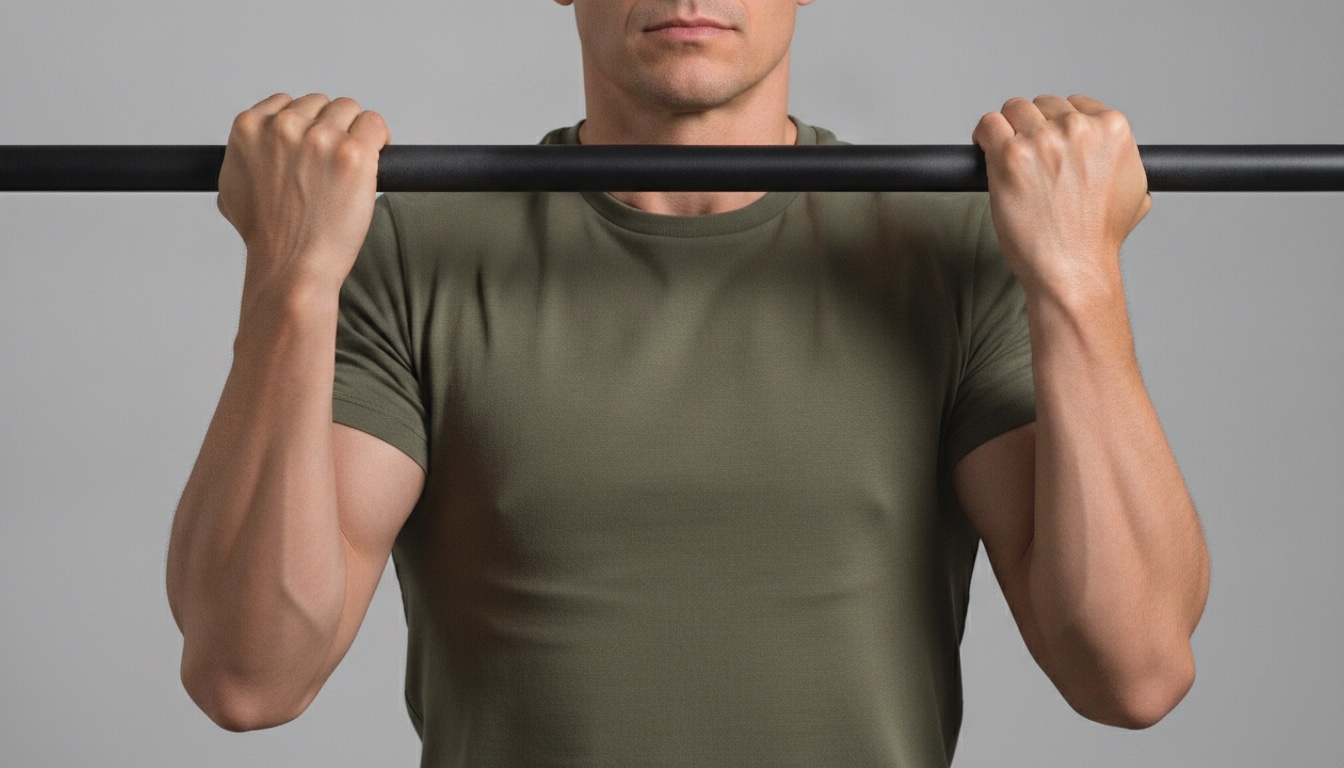
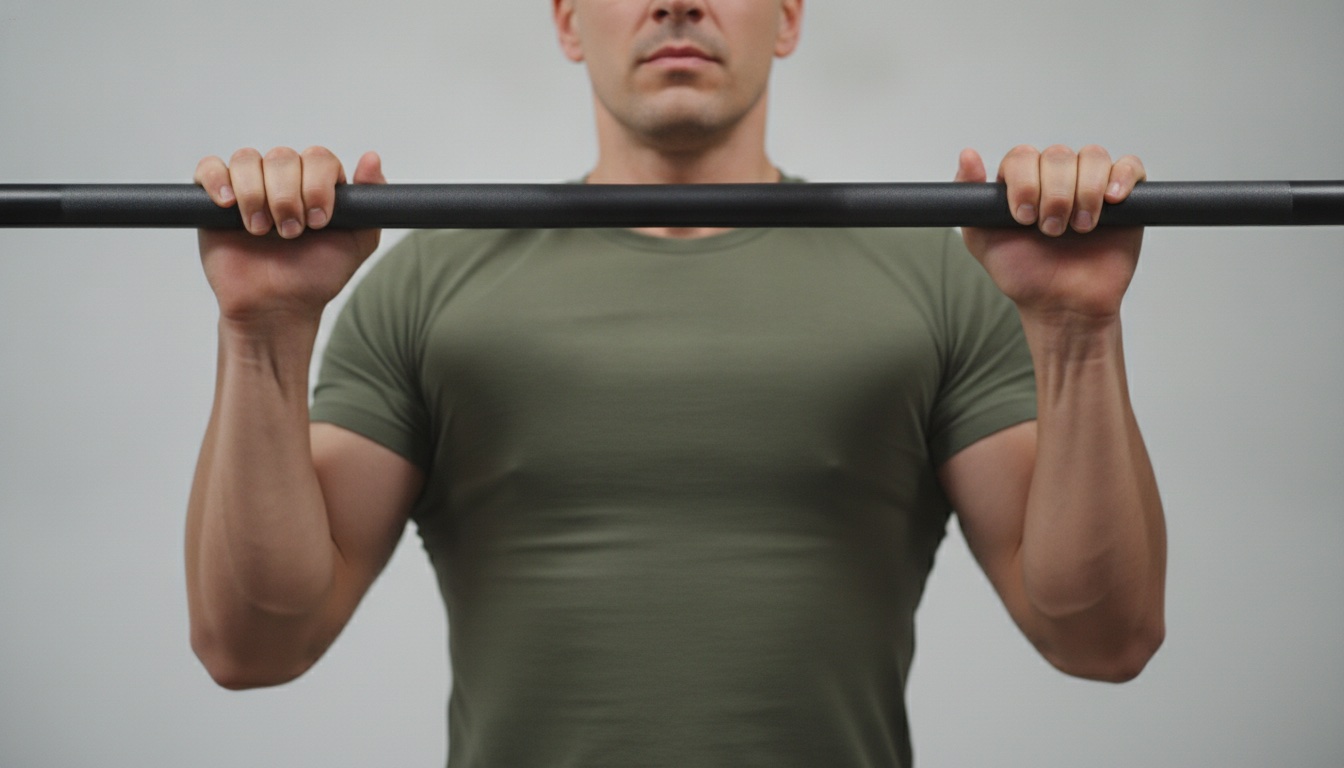
The difference is the grip. A pull-up is done with your palms facing away from you (overhand), a chin-up with your palms facing you (underhand). Everything else — hanging from a bar, pulling your chin past it, lowering under control — is the same movement. That one change of grip, however, shifts which muscles lead the work and how hard the exercise feels.
The differences that matter
| Pull-up | Chin-up | |
|---|---|---|
| Grip | Overhand, at or beyond shoulder width | Underhand, at or inside shoulder width |
| Leading muscles | Lats and upper back | Biceps share the lead with the lats |
| Perceived difficulty | Harder for most people | Easier — usually one or two more reps |
| Wrist and elbow comfort | Comfortable for most | The twisted-under position bothers some elbows |
| Typical role | The standard for tests and programmes | Volume builder and biceps emphasis |
Muscles: emphasis, not different exercises
Both movements train the same chain — back, biceps, forearms, abs. The underhand grip of the chin-up puts the biceps in their strongest bending position, so they contribute more and the set feels easier. The overhand pull-up keeps the forearms in a neutral-to-pronated position where the biceps help less, leaving the lats to do a larger share. Neither grip isolates anything; the full breakdown with a diagram is in what muscles do pull-ups work.
Which is easier?
For most people, chin-ups — the stronger biceps contribution is worth roughly one to two extra reps per set. That makes chin-ups an excellent stepping stone: if you cannot yet do a strict pull-up but can manage a chin-up, train chin-ups while building overhand strength with assisted and negative pull-ups.
Which should you train?
- Training for a fitness test? Train what will be tested — usually the overhand pull-up.
- Chasing your first rep? Start with chin-ups, they will come first.
- Building your back long-term? Make pull-ups your main movement; use chin-ups for extra volume.
- Extra biceps work without dumbbells? Chin-ups are the closest bodyweight equivalent.
There is no wrong answer — alternating them is a perfectly good plan, and the 50 pull-ups programme works with either grip as long as you stay consistent within a training cycle. Between the two sits the neutral grip, often the most comfortable of all three on the elbows and shoulders.
Form is identical
Full hang at the bottom, shoulder blades set before each pull, chin past the bar without craning, controlled descent. The same common mistakes apply to both grips, and so does proper pull-up form. See the technique details of the underhand version on the chin-ups page, or take the pull-up test to find your starting week.