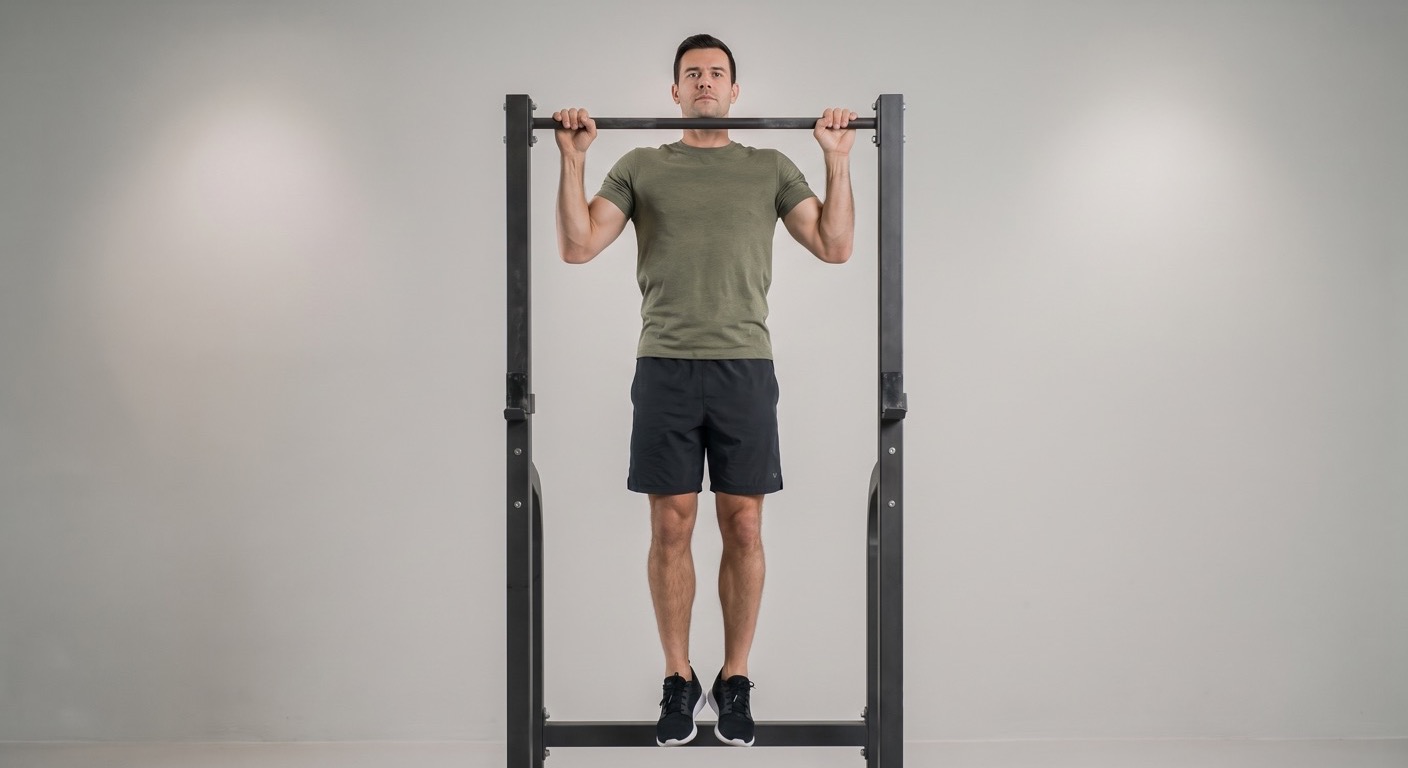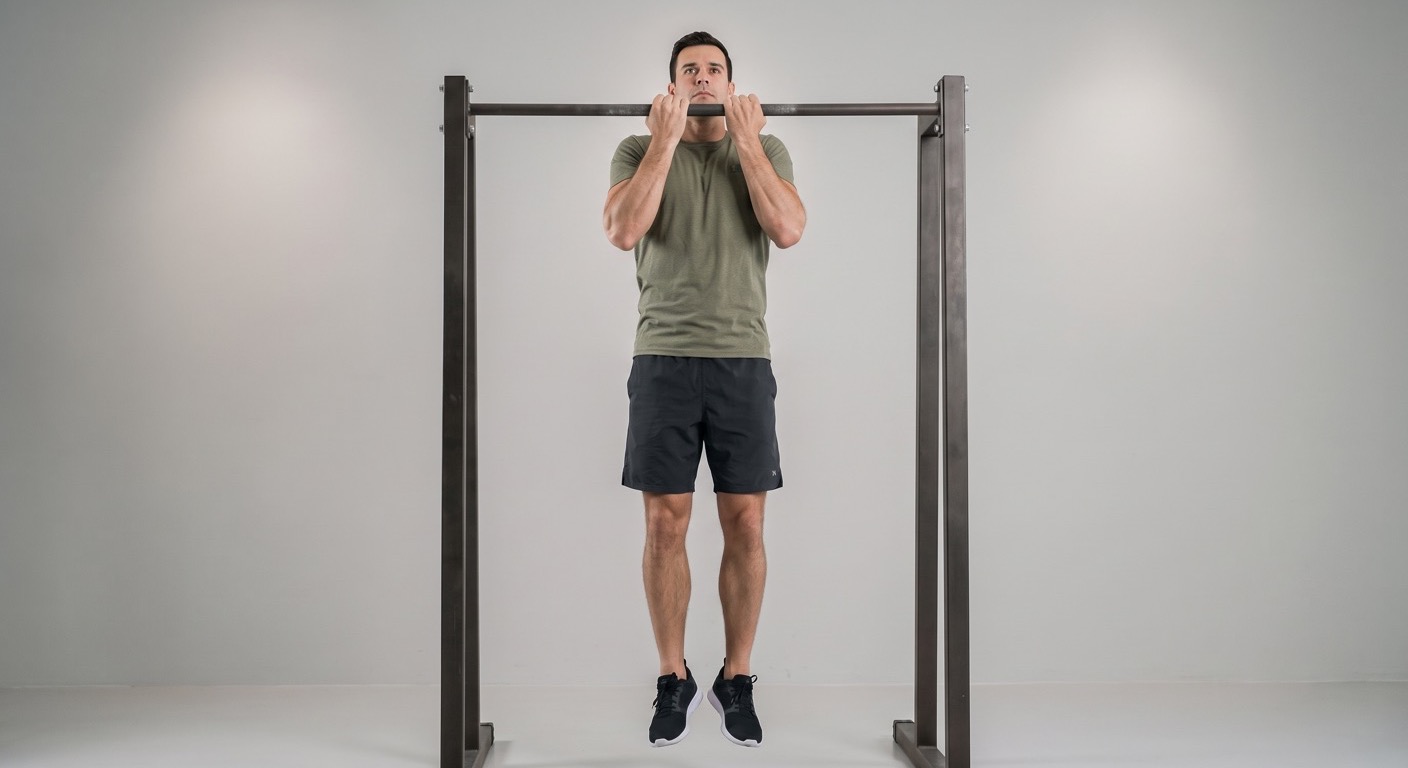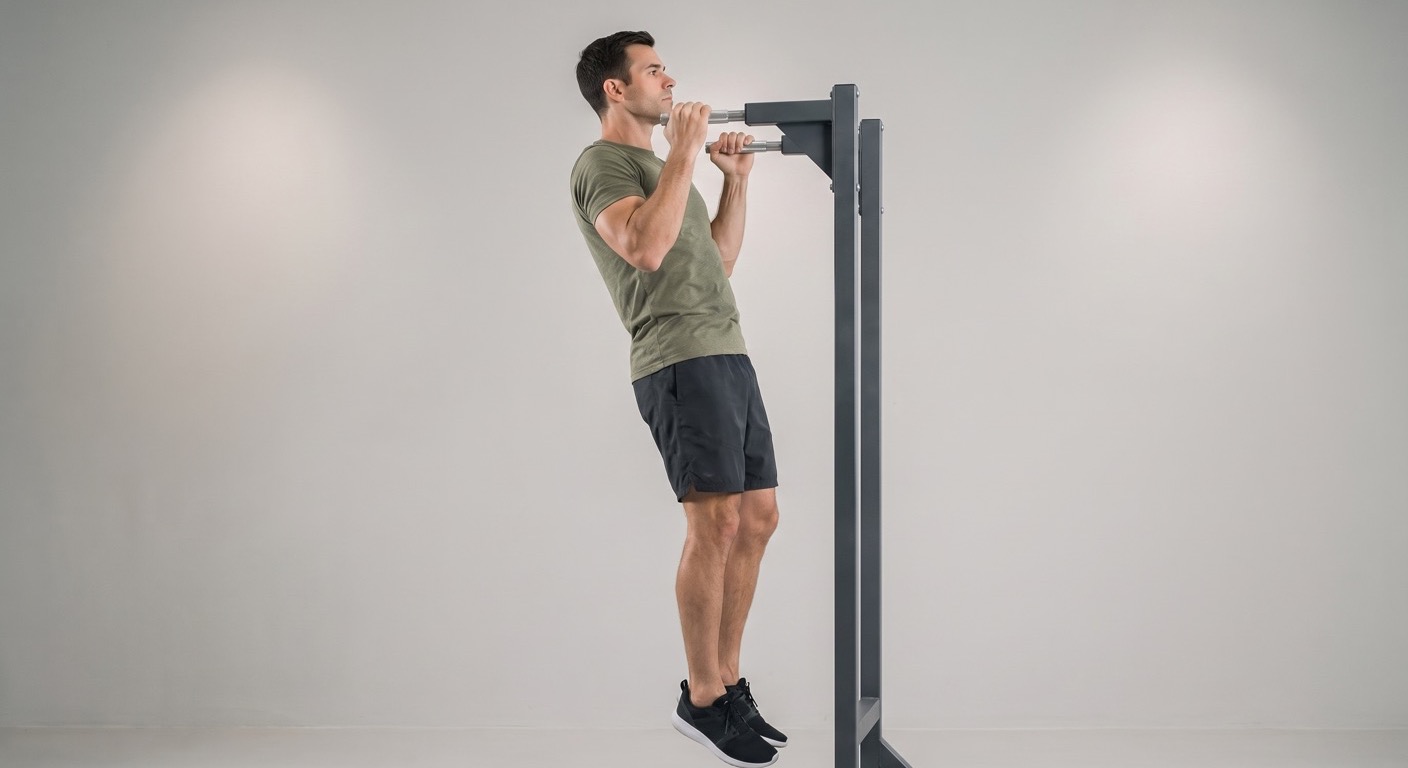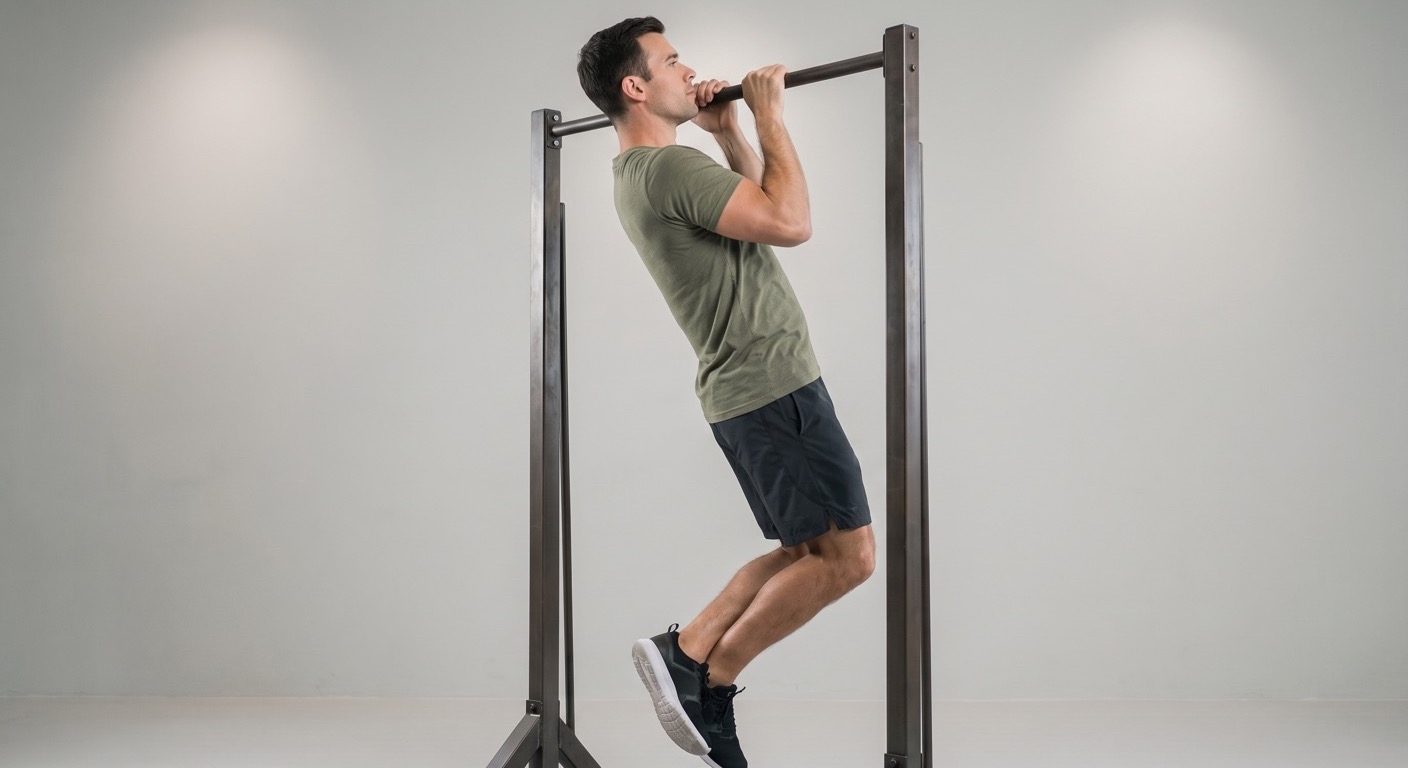
50 Pullups

Ultimate pullups training

Pull-Up Variations: 17 Useful Ways to Train

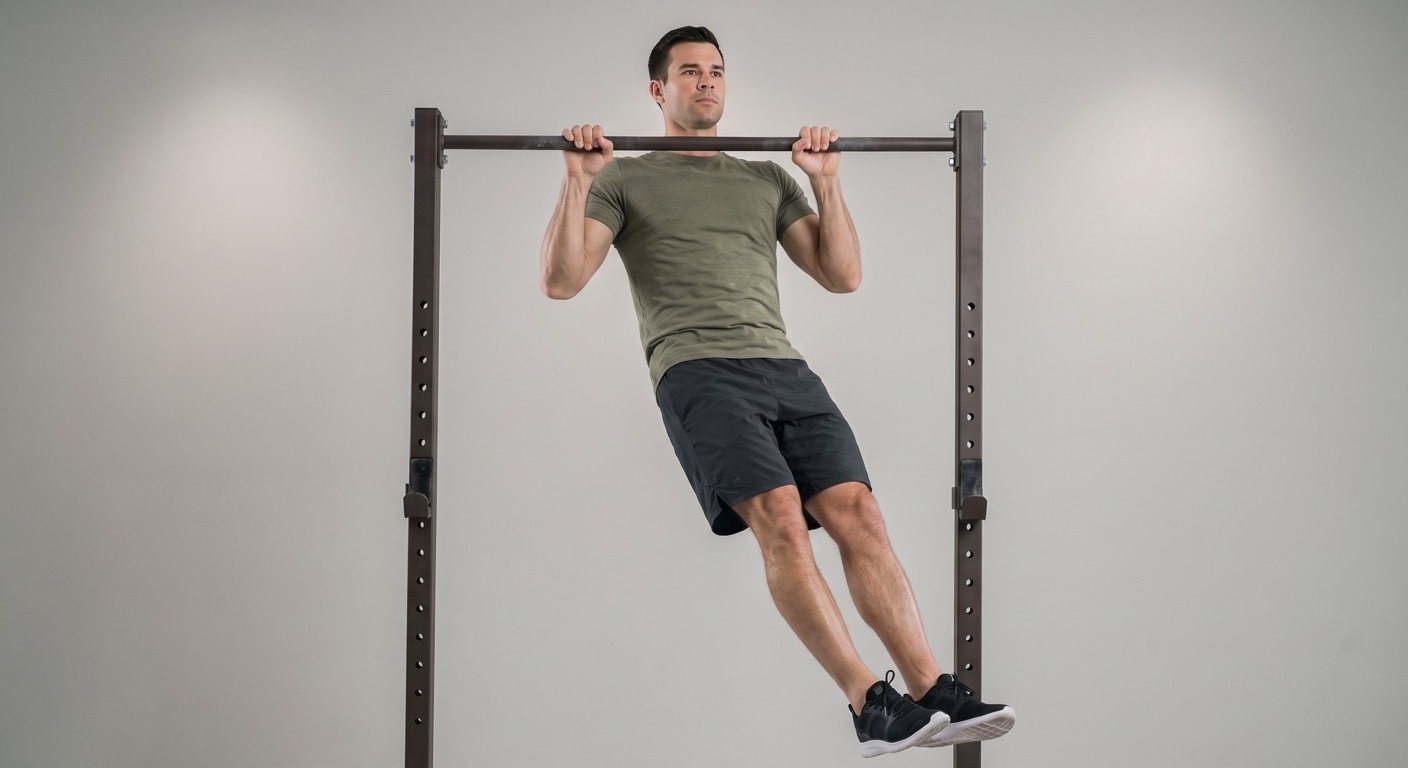
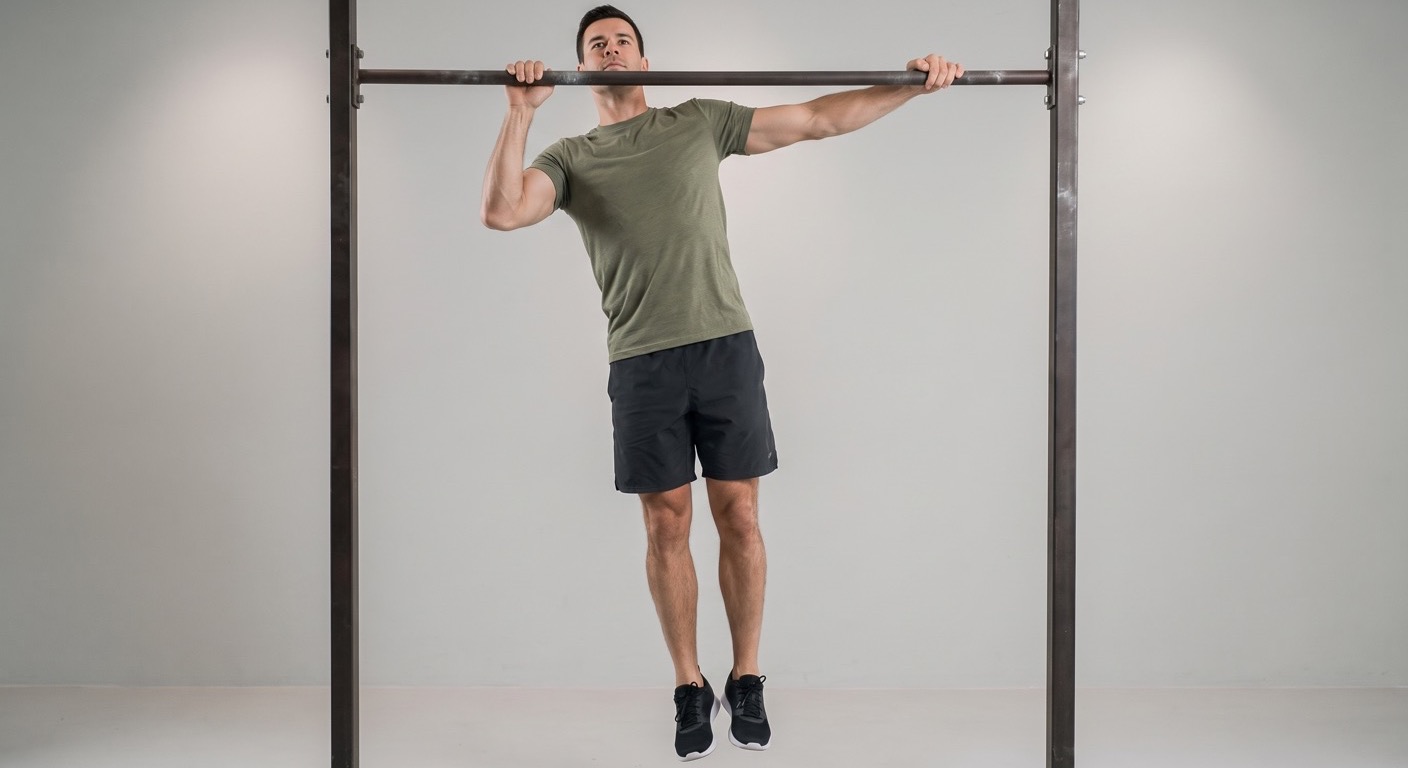
Pull-ups are not limited to one overhand grip. The useful variations below change the assistance, grip, range of motion or loading for a clear training reason. They are grouped by purpose rather than padded to hit an arbitrary number: choose the version that solves your next problem.

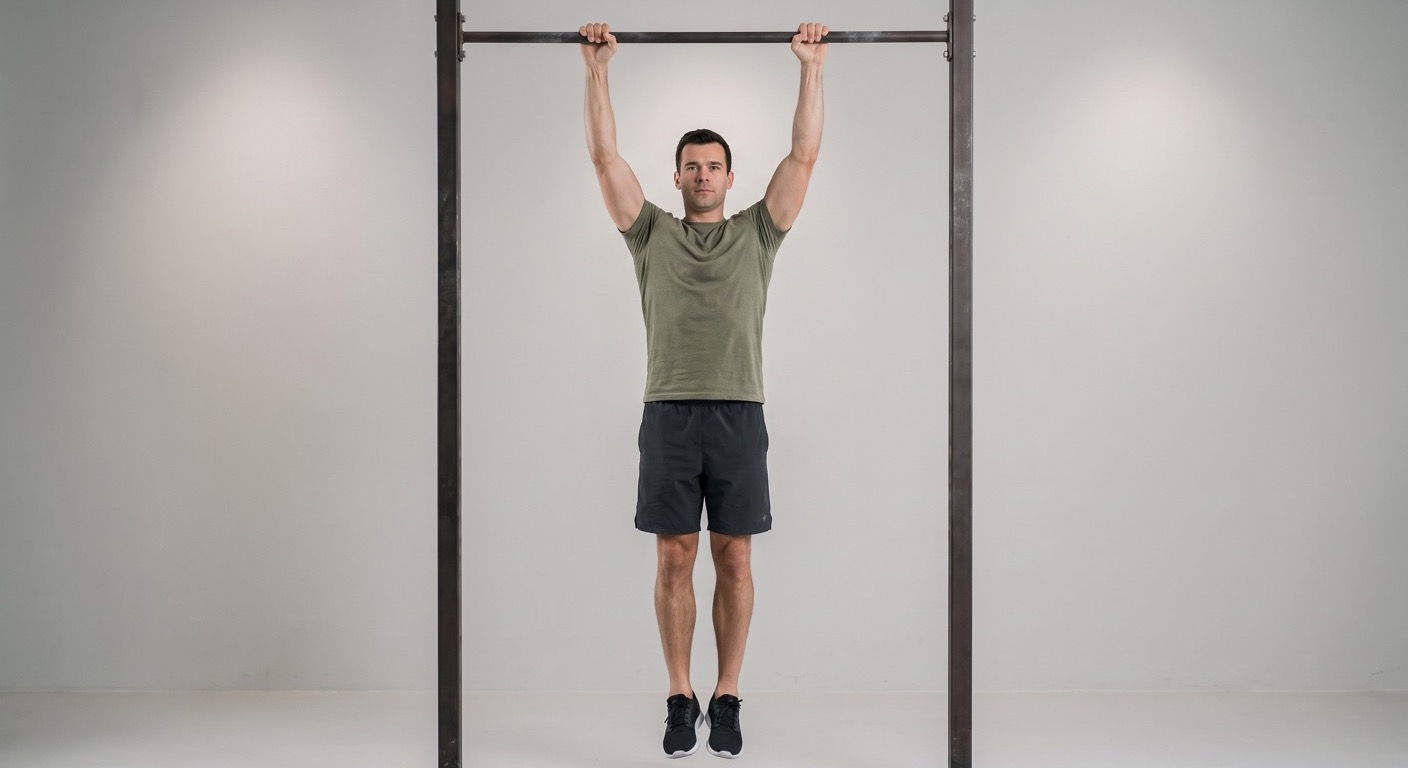
If you cannot yet complete a strict rep, start with a dead hang: hold the bar with straight arms, keep your ribs controlled and build toward 20–30 comfortable seconds. Then practise scapular, assisted and negative pull-ups. Once strict reps are solid, use grip variations for variety and advanced variations for strength or power.

Grip variations
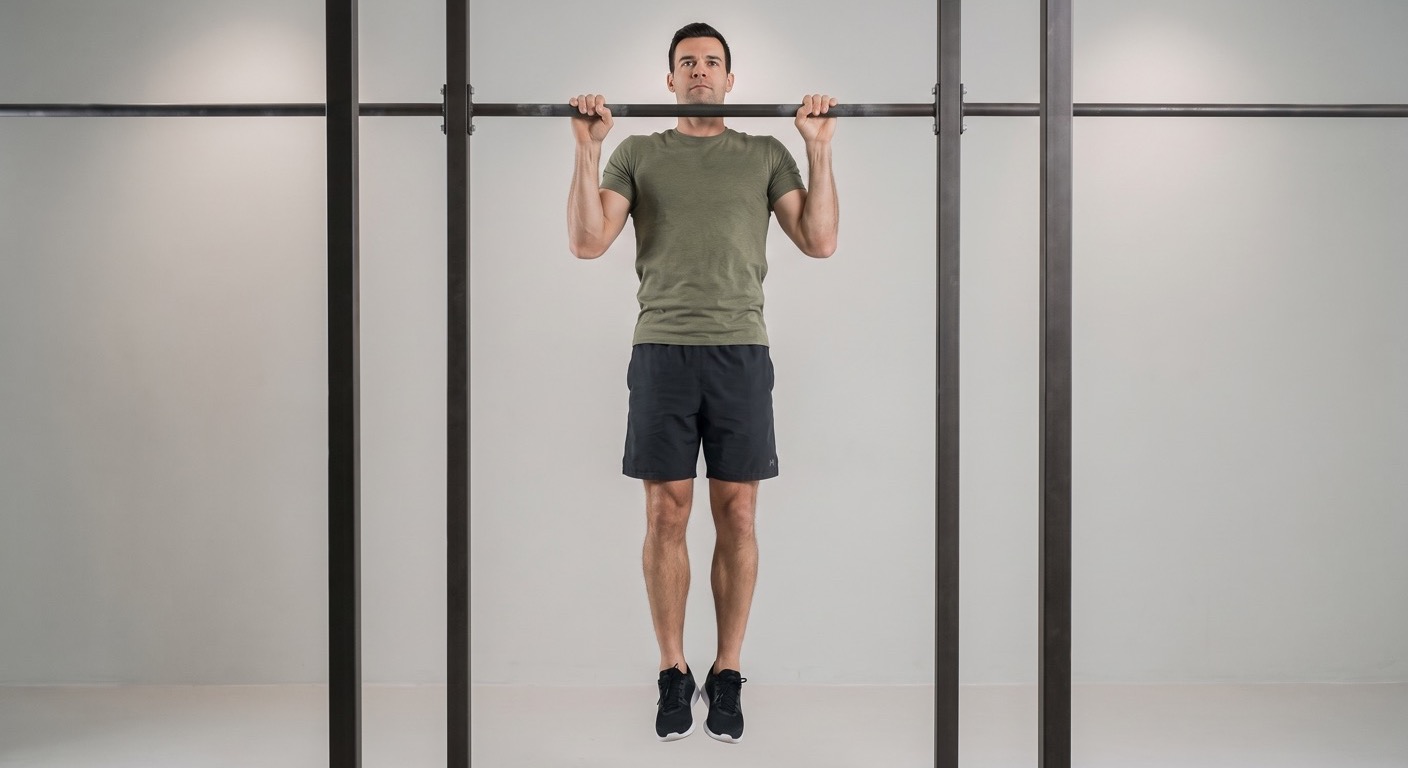
Athlete performing a chin-up with an underhand grip

Chin-Ups

Underhand grip and more help from the elbow flexors.

Athlete performing a wide-grip pull-up

Wide-Grip Pull-Ups

A wider overhand grip with less elbow travel.

Athlete performing a close-grip pull-up

Close-Grip Pull-Ups

Hands close together for a long, controlled pull.

Athlete performing a neutral-grip pull-up on parallel handles

Neutral-Grip Pull-Ups

Palms face each other on parallel handles.

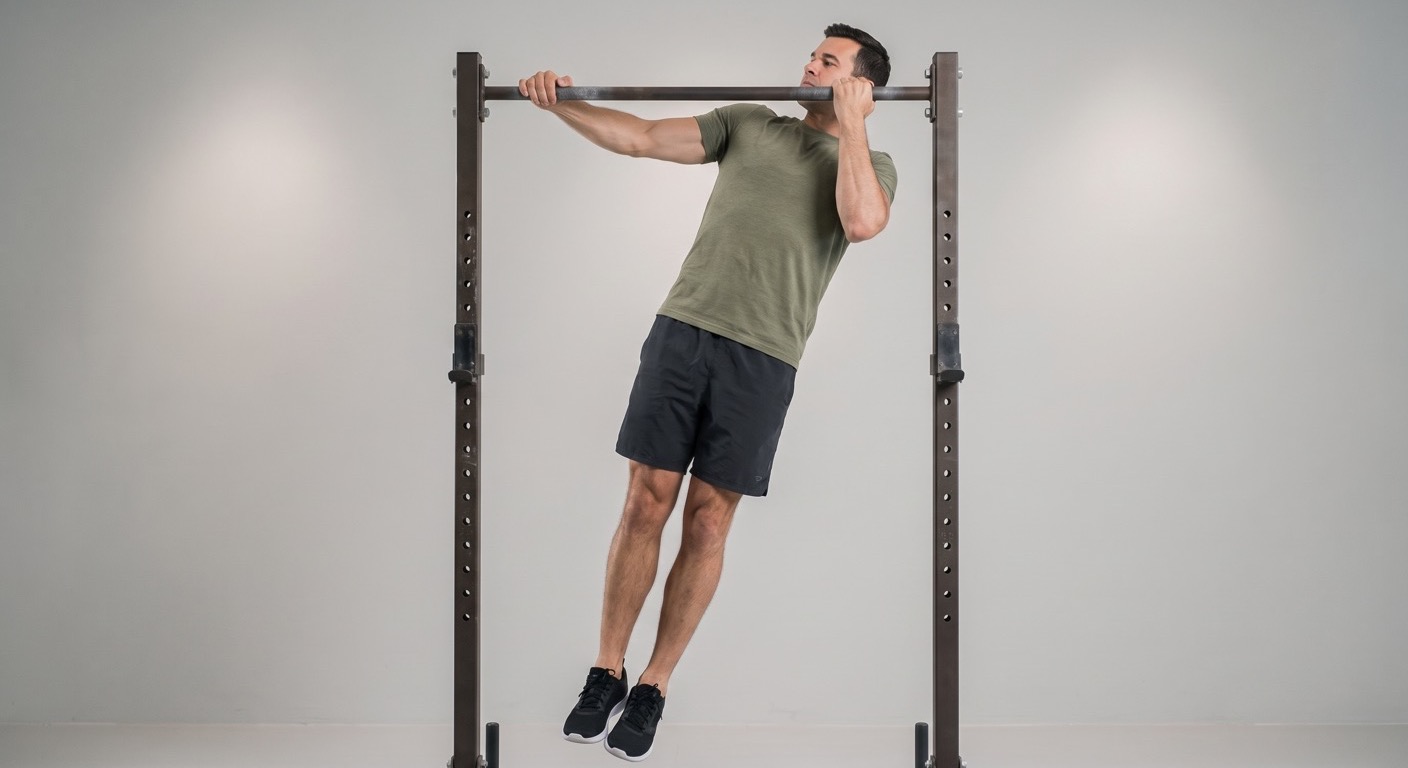
Athlete performing a commando pull-up with hands in a mixed grip

Commando Pull-Ups

Mixed grip, body beside the bar, alternating shoulders.

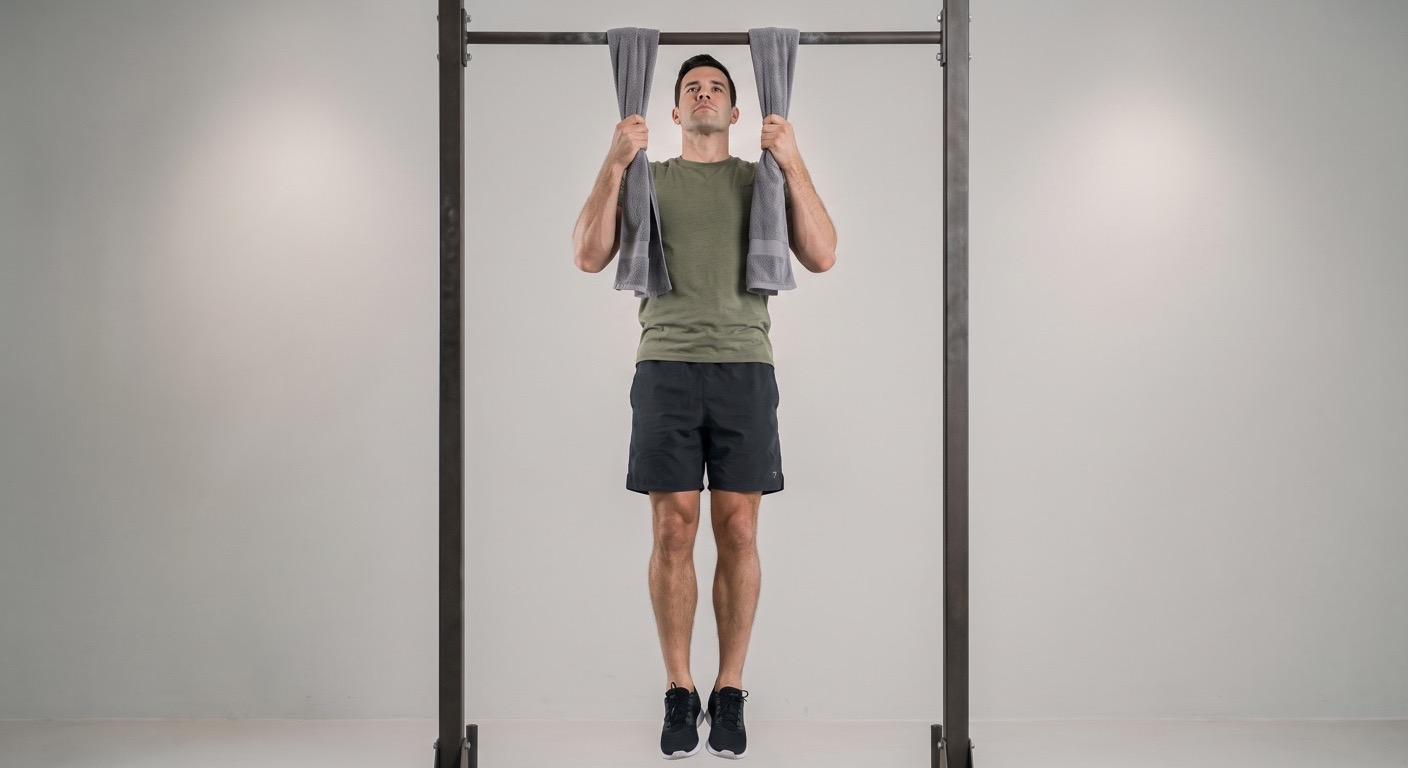
Athlete performing a pull-up while gripping two towels

Towel Pull-Ups

A demanding grip-strength variation using two towels.

Build your first pull-up

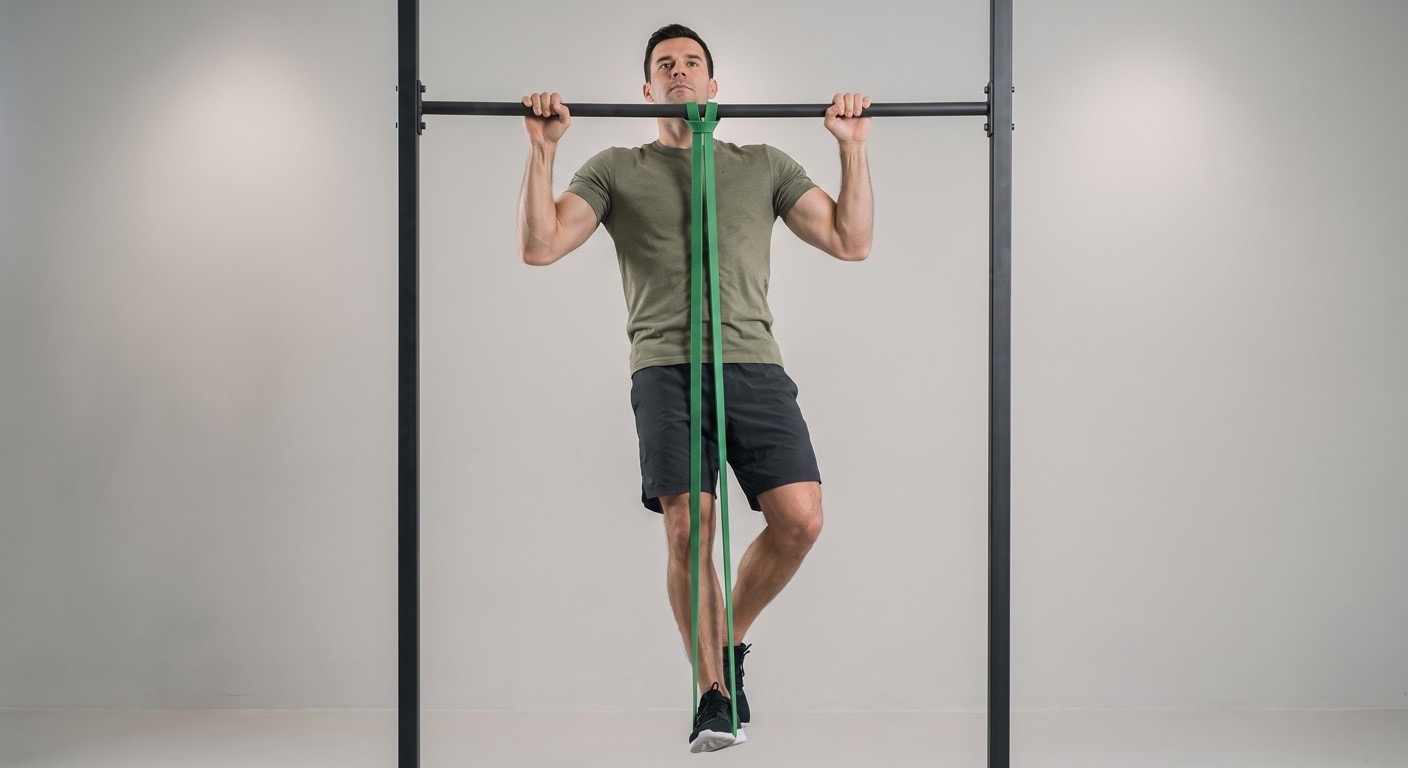
Athlete performing an assisted pull-up with a resistance band under one foot

Assisted Pull-Ups

Practise full reps with measured help from a band or machine.

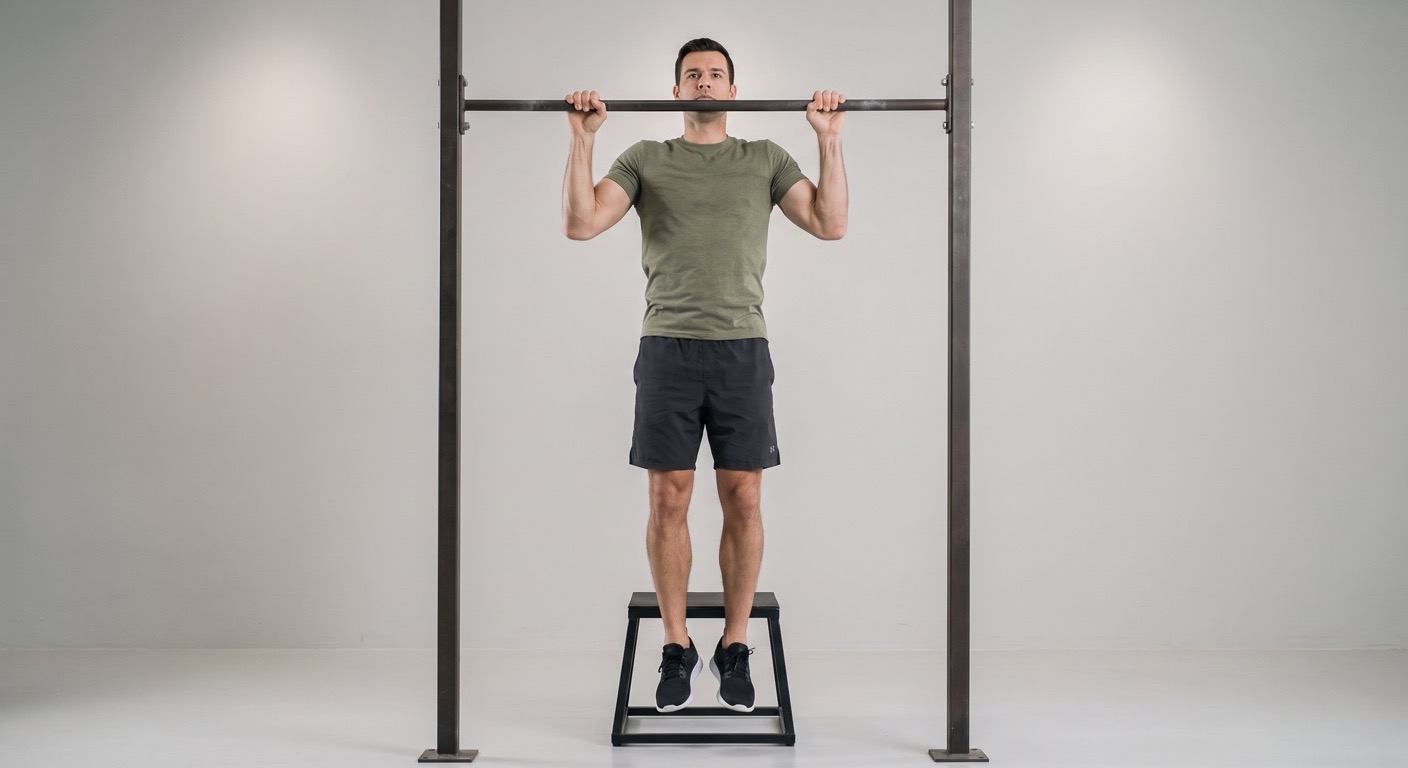
Athlete lowering slowly from the top of a negative pull-up

Negative Pull-Ups

Step to the top and build strength through a slow descent.

Athlete performing a scapular pull-up with straight elbows

Scapular Pull-Ups

Learn to start the pull from the shoulder blades.

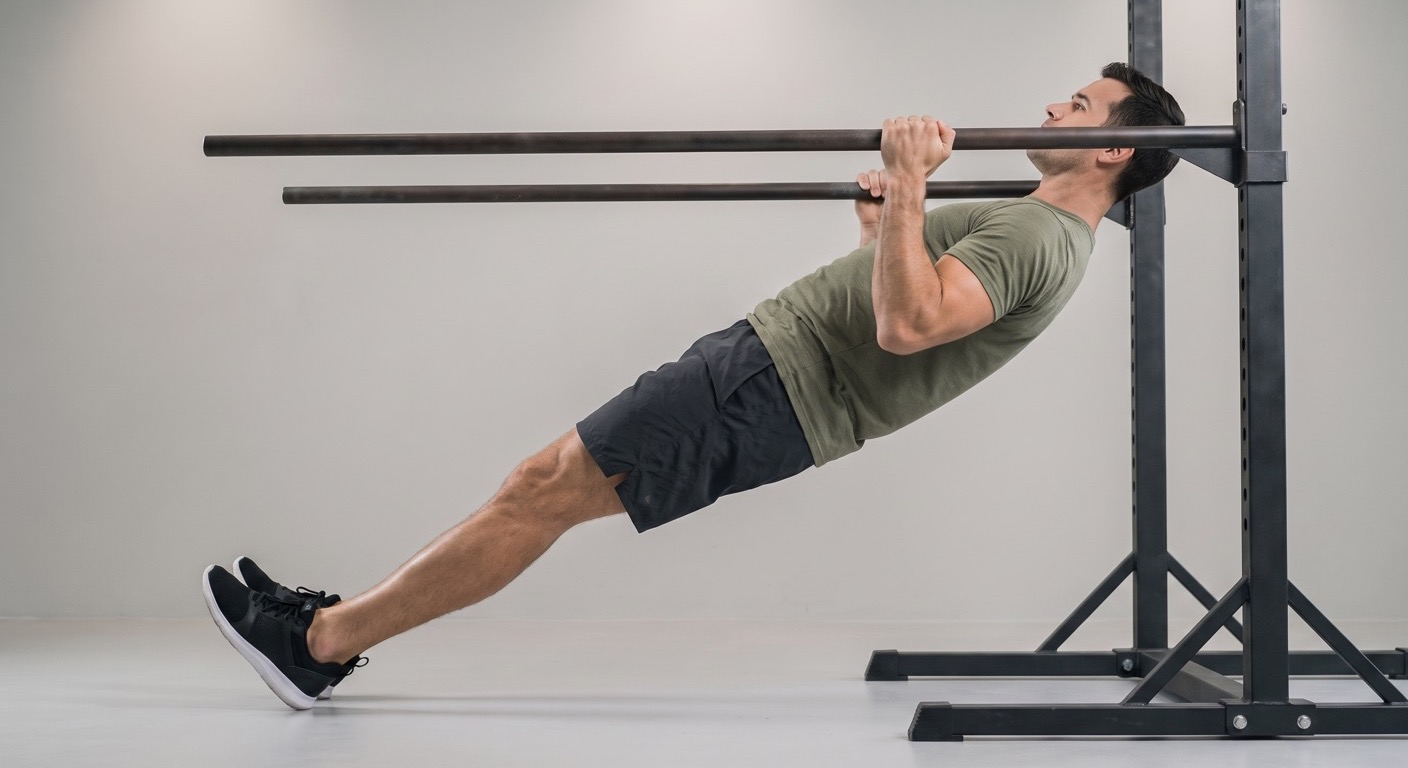
Athlete performing an Australian pull-up beneath a low bar

Australian Pull-Ups

A scalable horizontal row with the feet on the floor.

Advanced strength and power

Athlete performing a strict chest-to-bar pull-up

Chest-to-Bar Pull-Ups

Pull higher until the upper chest reaches the bar.

Athlete performing an archer pull-up toward one hand

Archer Pull-Ups

Shift the pull toward one side while the other arm lengthens.

Athlete moving sideways at the top of a typewriter pull-up

Typewriter Pull-Ups

Stay high and travel from one hand to the other.

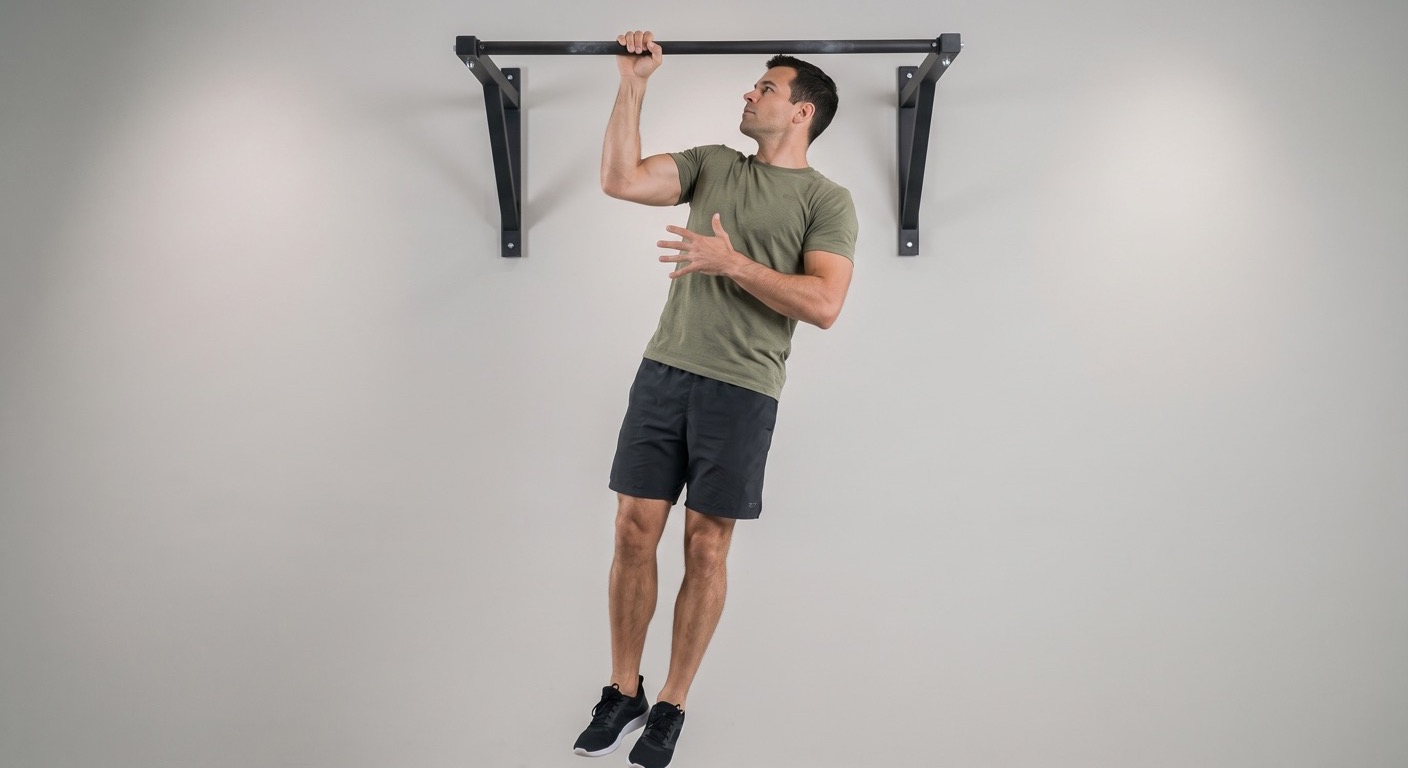
Athlete performing a one-arm pull-up

One-Arm Pull-Ups

An elite unilateral pulling-strength skill.

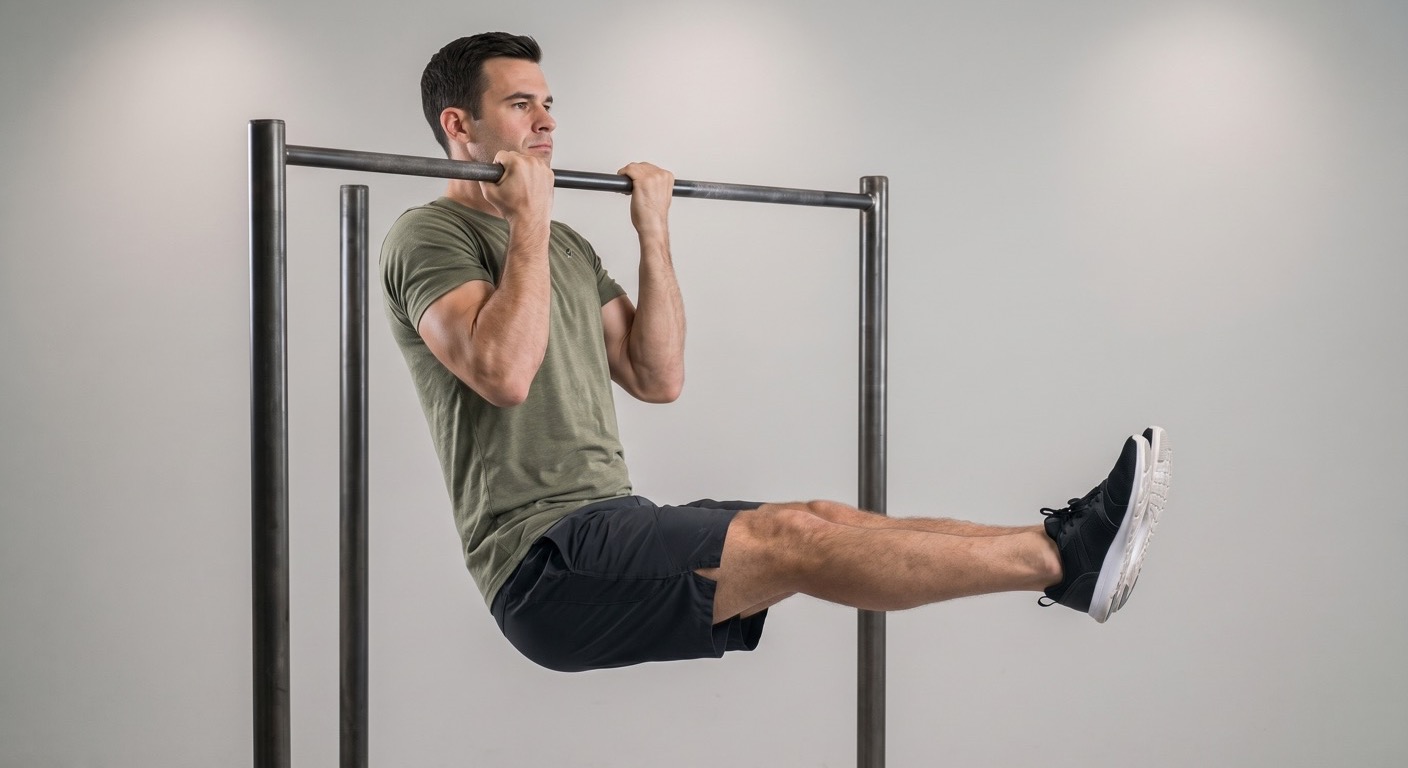
Athlete performing an L-sit pull-up with straight legs horizontal

L-Sit Pull-Ups

Strict pulling with the legs held straight in front.

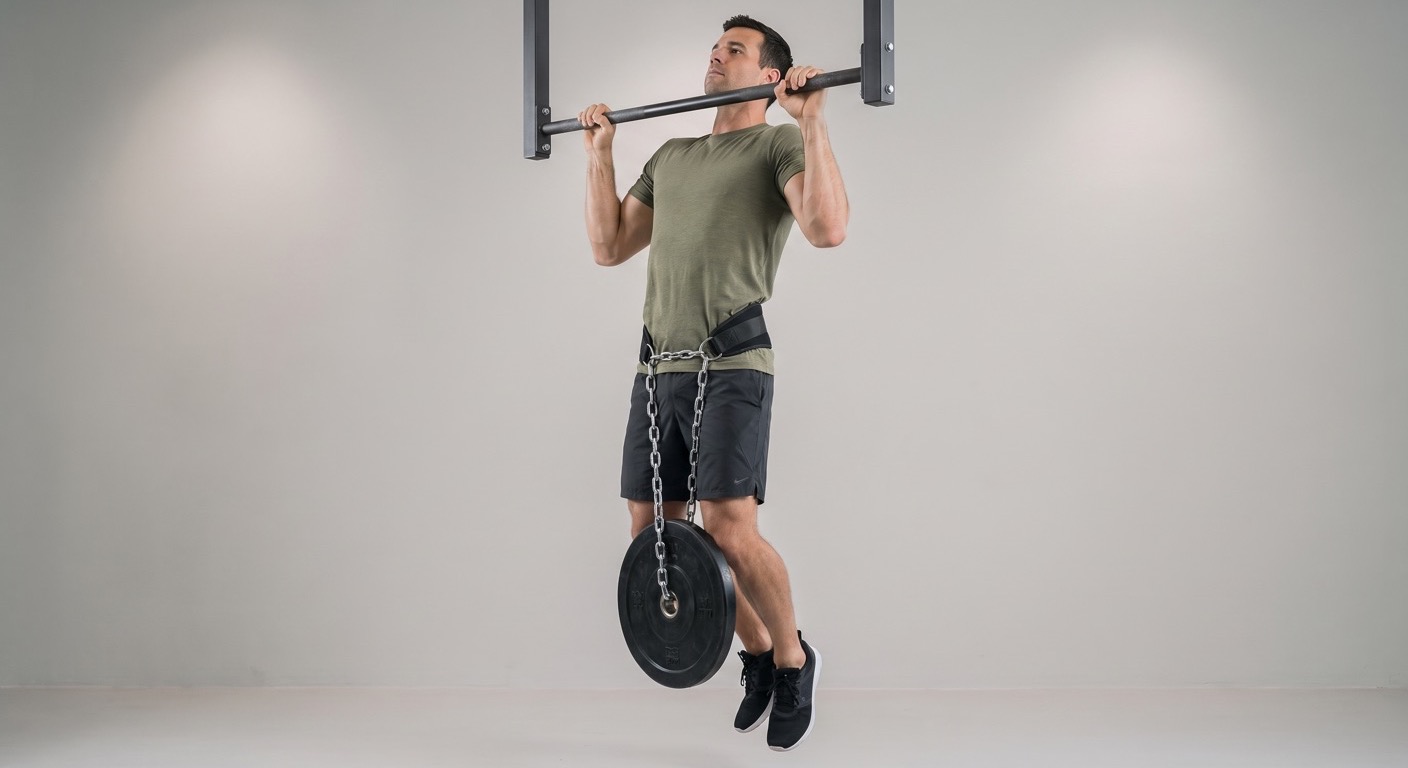
Athlete performing a weighted pull-up with a plate on a dip belt

Weighted Pull-Ups

Progressive overload after bodyweight reps are established.

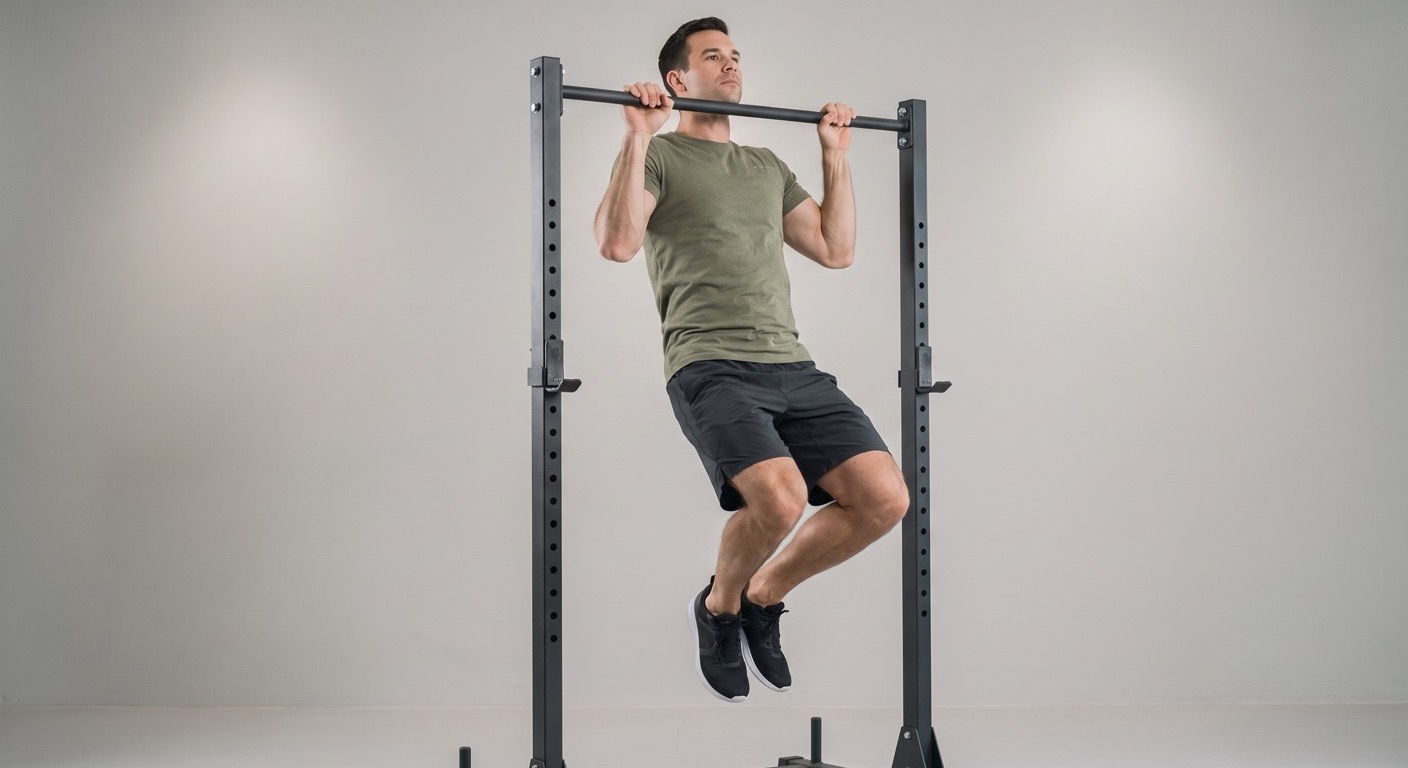
Athlete near the top of a kipping pull-up with both knees bent

Kipping Pull-Ups

A gymnastic cycling skill, not a shortcut to strict strength.

How to choose

For your first rep, combine hangs, scapular pulls, assisted reps and negatives. For general strength, keep the strict shoulder-width pull-up as your main lift and use one grip variation at a time. For advanced goals, choose the variation that matches the quality you need: weighted reps for maximal strength, chest-to-bar for pulling height, L-sits for compression, and archer work for unilateral preparation.

You do not need to collect every variation. Start with proper pull-up form, take the pull-up test, and use the 50 pull-ups programme to build repeatable strict reps.

Advertisement